 |
| Breaking up the frozen zucchini to make cake |
 |
| Adding the toppings to zucchini cake |
We also made a green salad. She loves peeling. . .the large carrot that she started with was pared to a small size by the time she deemed it was ready for shredding. She did a great job tearing the lettuce into bite sized pieces. Of course, she needed to "test" the tomatoes and cucumbers to be sure each was "good!"
 |
| Watching squirrel antics |
 |
| The best seat in the house |
 |
| Cutting batting scraps for stuffing the memory bear |
 |
| Our painting progress |
She doesn't not like working on wet paper; but, she does like using a paper towel to dab excess paint and to create textures. She likes to paint on different surfaces and then is disappointed when the paint soaked through the paper!
This time, she was better at cleaning her brush in the dirty water and then dipping her brush into the clean water. She still paints on the table instead of the newspaper because she wants to see what color happens when the surface is brown instead of white. Again, she is so much like her mama!
 |
| Watercolor on regular paper |
She returns from a long sleepover with her auntie, favorite uncle and cousins tonight. I'm sure she has been living her best life! She and her mama leave for London at the end of the week. It's been great having them here!
Sitting for sewing is still painful for my knee; but, I do keep trying the activity. I find I can manage about 15 minutes once a day. Fifteen minutes is a short time; but, it's better than no time! I had hoped to be sewing five weeks after from surgery; but, I'm not.
I did get a pain prescription from the surgeon and that has helped me move a bit more fluidly. I am currently working on training my brain to believe that this new appliance is working great in my knee. Convincing my brain that I don't need protection from the muscles continues to be an ongoing project!
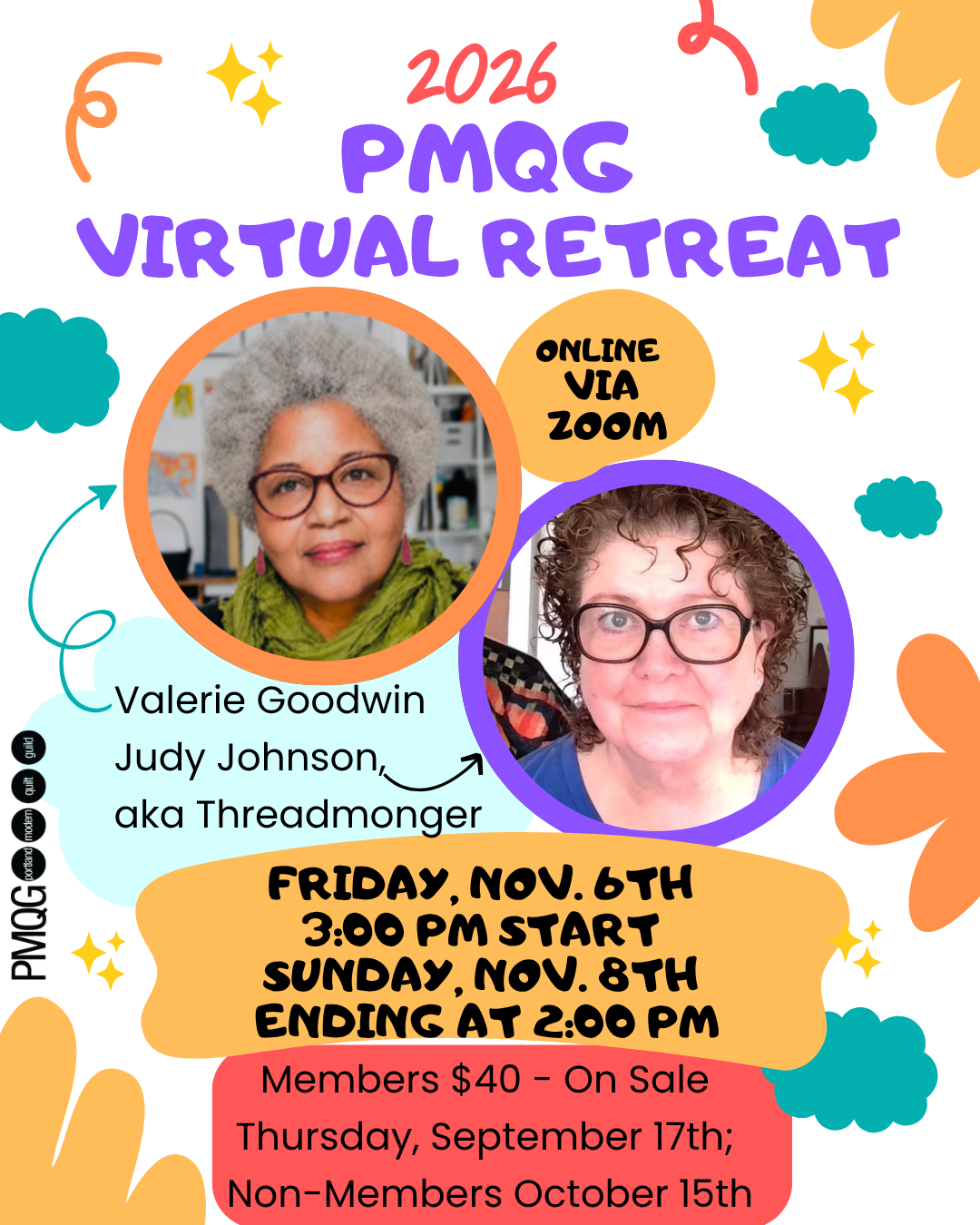
In case you are looking for an at home activity, come join us at the Portland Modern Quilt Guild (PMQG) virtual retreat. We have two speakers; we will be playing games and we will make lots of progress on our projects!
Linking to: Oh Scrap, Sew & Tell and To Do Tuesday.


